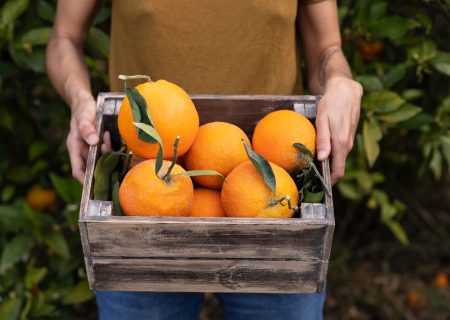
Orange concentrate is a processed form of orange juice where water content is removed to create a highly concentrated product. It is widely used in the food and beverage industry for juices, soft drinks, dairy products, desserts, and sauces due to its intense flavor, long shelf life, and cost efficiency in transportation and storage.
The ideal Brix level depends on the final application, but most industrial orange concentrates range between 60° and 65° Brix. Higher Brix levels provide more concentrated flavor and allow manufacturers to optimize storage, logistics, and formulation consistency across large-scale production.
Yes, orange concentrate is highly suitable for plant-based beverages, as it enhances flavor, natural sweetness, and nutritional value. It blends well with oat, almond, and soy-based drinks, improving taste profiles without the need for artificial additives.
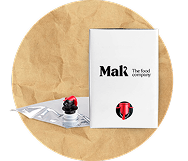
Orange concentrate is typically stored frozen or aseptically, depending on the format. Frozen concentrate can last up to 24 months under proper conditions, while aseptic formats offer extended shelf life at ambient temperatures. Proper storage ensures flavor stability and microbiological safety.
The main types include frozen concentrated orange juice (FCOJ), aseptic orange concentrate, clarified concentrate, and pulp-containing concentrate. Each type is designed for specific applications, from beverages to bakery and dairy products.
Orange concentrate improves efficiency by reducing transportation costs, minimizing storage space, and enabling precise formulation control. Its standardized composition helps manufacturers maintain consistent product quality while optimizing production processes.
A reliable supplier should hold certifications such as ISO, HACCP, FDA compliance, and, where applicable, sustainability certifications. These ensure food safety, traceability, and compliance with international quality standards.
Yes, many suppliers offer customized orange concentrates based on Brix level, acidity, pulp content, and flavor intensity. This flexibility allows manufacturers to tailor formulations to specific product requirements and market demands.
Orange concentrate is a key ingredient in clean label formulations because it provides natural flavor, color, and sweetness without artificial additives. It helps brands meet consumer demand for more transparent and natural ingredient lists.
Supply chain stability is crucial to avoid production disruptions, price volatility, and inconsistent product quality. Partnering with a global supplier that ensures reliable sourcing, consistent specifications, and year-round availability is essential for long-term business success.